
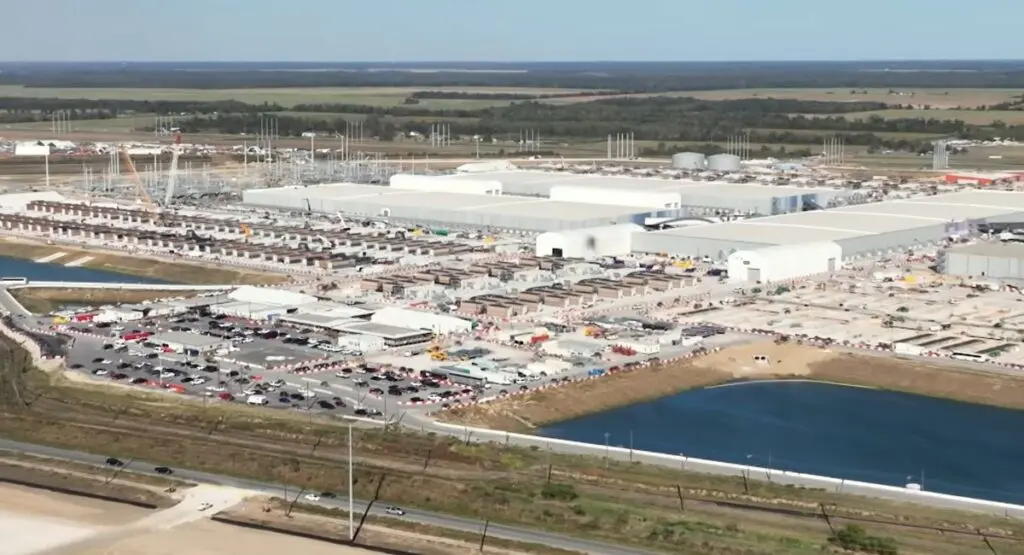
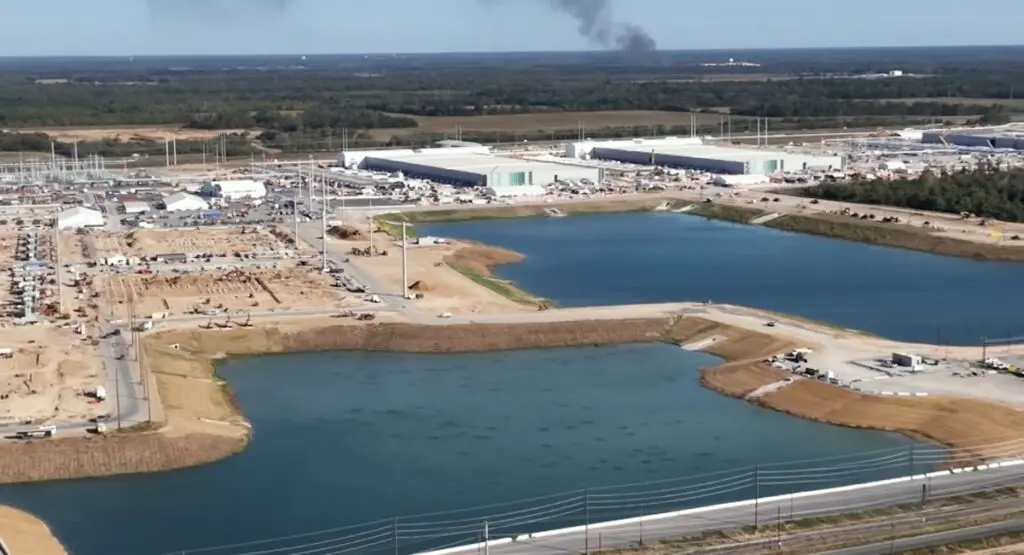
Meta says its Richland Parish data center will need more than 7,500 construction workers at its peak.
Once the campus is running, the company expects about 1,000 operational jobs.
That gap matters in a parish where about a quarter of residents live below the poverty line.
The builders will eventually pack up and follow the next project.
We looked at who is positioned to take the jobs that stay, what local training is already producing, and what the tax deal requires Meta to deliver.
If you live in northeast Louisiana or are thinking about moving there for work, those details matter more than the headline investment figure.
The Job Numbers Have Grown Since 2024
The project looks very different from the version announced in December 2024.
Construction crews and permanent jobs have both been revised upward, and every figure below is a projection from Meta or the state, not a payroll count.
The first row comes from Louisiana Illuminator coverage of the original $10 billion deal, and the second from a Meta update one year after groundbreaking.
The July 13, 2026 expansion lifted the commitment above $50 billion, and Louisiana Economic Development now estimates 1,900 indirect jobs in the region as well.
Where Is Meta’s Richland Parish Data Center Located?
Who Is Likely to Fill the Permanent Jobs
Meta lists electricians, HVAC specialists, and server and network technicians and engineers among the roles it expects to support.
The word support matters. Meta has not said how many of the 1,000 jobs will be Meta employees and how many will belong to contractors and service companies.
Louisiana Public Broadcasting takes viewers inside Meta’s massive Richland Parish data center, revealing the infrastructure and technical systems behind the project. Source: LPB, October 23, 2026.
Positions the campus is likely to need
- Electricians and HVAC technicians who keep power and cooling running around the clock
- Server, network, and fiber technicians who install and repair equipment
- Engineers and facility managers, who usually need degrees and years of experience
- Security and support staff, who are often hired through outside vendors
In our view, local residents have the strongest shot at technician and trade roles, because those skills can be learned in months rather than years.
We expect senior engineering posts to go mostly to experienced people, some of them transferred from other sites.
A Four-Week Course Is Already Producing Hires
Louisiana Delta Community College in Monroe built new courses after Meta asked it to train carpenters, pipefitters, electricians, and fiber technicians.
WWNO reported in September 2026 that its four-week data center technician course teaches fiber optic work and costs $3,698 before scholarships.
About 40 people have finished that course since November, and more than 100 graduates of the new programs since January are all working.
Entry-level fiber technicians can earn $18 to $24 an hour, or roughly $37,440 to $49,920 a year at 40 hours a week.
Did you know?
Meta has pledged $5 million for scholarships at Louisiana Delta Community College. Starting with the class of 2026, Richland Parish high school graduates can receive full scholarships for data center trade certificates and courses.
The Tax Deal Rewards Jobs, Not Just Spending
State law gives approved data centers a sales and use tax exemption on equipment for an initial 20 years, renewable for 10 more.
To qualify, a facility must commit to creating at least 50 new permanent Louisiana jobs and to investing at least $200 million between July 1, 2024 and July 1, 2029.
The parish property tax agreement goes further.
Bloomberg examines Meta’s massive data center investment in rural Louisiana, including its economic promises, energy demands, and potential impact on local communities. Source: Bloomberg Television.
How the property tax incentives work
- At $5 billion invested and 300 jobs, Meta pays 40% of the standard property tax.
- The share drops to 20% at $10 billion and 500 jobs.
- Missing the job goals means owing more property tax based on the shortfall.
KTVE reported that the 500 jobs tied to that tier pay about $79,000 a year. We would watch the job count rather than the investment total, because jobs are what unlock the lowest tax rate.
Rent Math for Workers Who Stay
Housing is where the boom hits local budgets first.
Business Insider reported that a furnished four-bedroom workforce rental near Delhi costs about $3,000 a month with utilities, compared with roughly $1,200 to $1,500 for an unfurnished home before Meta arrived.
Median household income in the parish was about $53,000 in 2024, far below the national median household income of $87,460 that the Census Bureau reported for 2025.
Treat the next figures as a hypothetical built on those reported numbers.
A $53,000 household earns about $4,417 a month before taxes, so the common guideline of spending 30% of gross income on rent points to about $1,325.
What the 30% rent rule looks like
$53,000 household income: Approximately $1,325 a month for rent.
$20/hour fiber technician: Approximately $1,040 a month for rent.
For a local fiber technician earning $20 an hour, or $41,600 a year, the same rule lands near $1,040.
Rents priced for out-of-town crews fit neither budget, and we expect them to ease only as construction winds down.
Where the Builders Go Next
Construction work at a data center is temporary by design, though the buildout here will run for years.
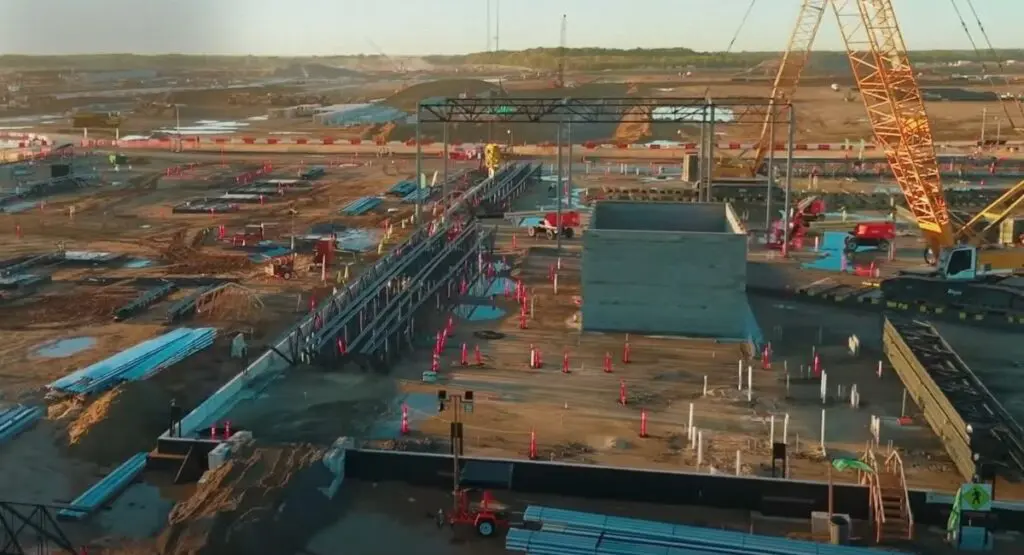
According to WWNO, Meta says the campus could support 1,000 permanent jobs once it is fully online by 2036.
Tech commentator Mike Hamilton explains why temporary data center construction jobs and permanent operational positions offer very different employment prospects.
Many trade workers will simply follow the work to other states.
Meta launched a $115 million America’s Workforce Academy with a Baton Rouge pilot, offering five weeks of free training, housing, and a stipend, plus a guaranteed job with contractors building Meta data centers. Those are construction placements, so graduates should expect to travel.
Skilled trades carry well beyond data centers. The Bureau of Labor Statistics projects about 72,700 electrician openings a year from 2025 to 2035, with a median wage of $63,190 in May 2025.
Questions We Would Ask Before Taking a Site Job
If you are weighing a job connected to the site, the employer and the end date matter as much as the hourly rate.
We would want clear answers to four questions first.
- Is the job with Meta, a general contractor, or a subcontractor?
- Does the role continue after construction, or end with a project phase?
- Does the training lead to a credential other employers recognize?
- How much of the paycheck depends on overtime?
Crews on the site often work more than 12 hours a day, six or seven days a week, according to the same Business Insider reporting.
We would budget around base pay only and send overtime to savings or debt, since those hours disappear when the crews do.
The Jobs That Stay Will Go to People Who Train Now
The permanent jobs are real, but they will be far fewer than the traffic near the site suggests today.
Using the Meta projections, roughly one operational role will remain for every seven or eight construction workers at the peak.
Residents who finish trade or technician training now, while contractors are hiring and scholarships are open, stand the best chance of landing one.
If you are earning construction overtime at the site, set your monthly budget at your base hourly pay and move the extra into savings each payday.
When the crews move on, that cushion will matter more than the peak paycheck did.